How to Promote an Event That People Actually Want to Attend: The Micro Event Advantage
Advantage of Micro Events

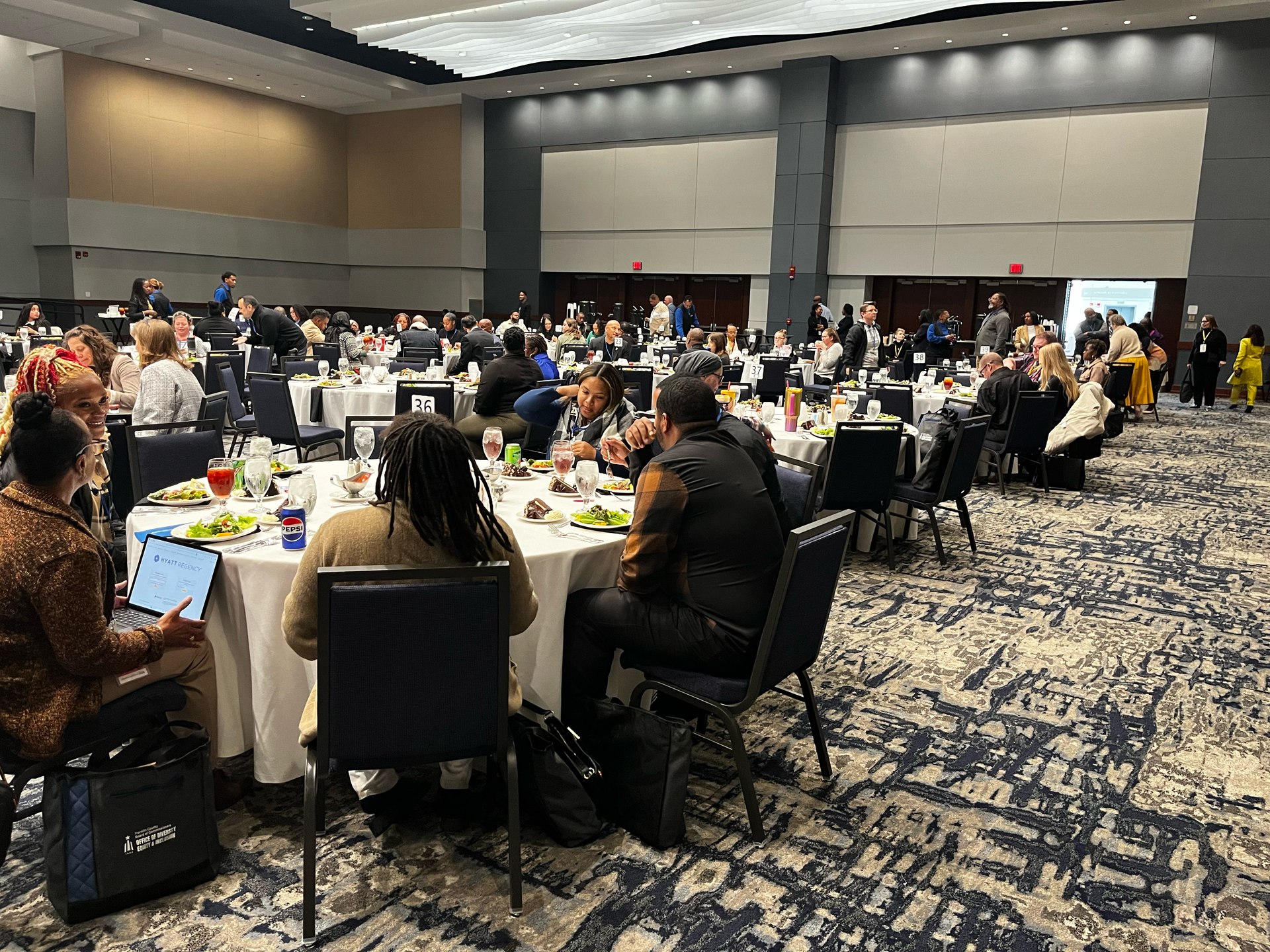
You've been to those conferences. The ones with 500 people crammed into a ballroom, where you collect business cards you'll never use, sit through back-to-back sessions you'll forget by dinner, and leave wondering if you actually connected with anyone at all.
Here's the truth: bigger isn't always better when it comes to event marketing strategy. In fact, for mission-driven organizations and nonprofits trying to build authentic relationships, massive conferences might be working against you.
Let's talk about the micro event advantage: and why learning how to promote an event that prioritizes quality over quantity might be the smartest move you make this year.
What Exactly Is a Micro Event?
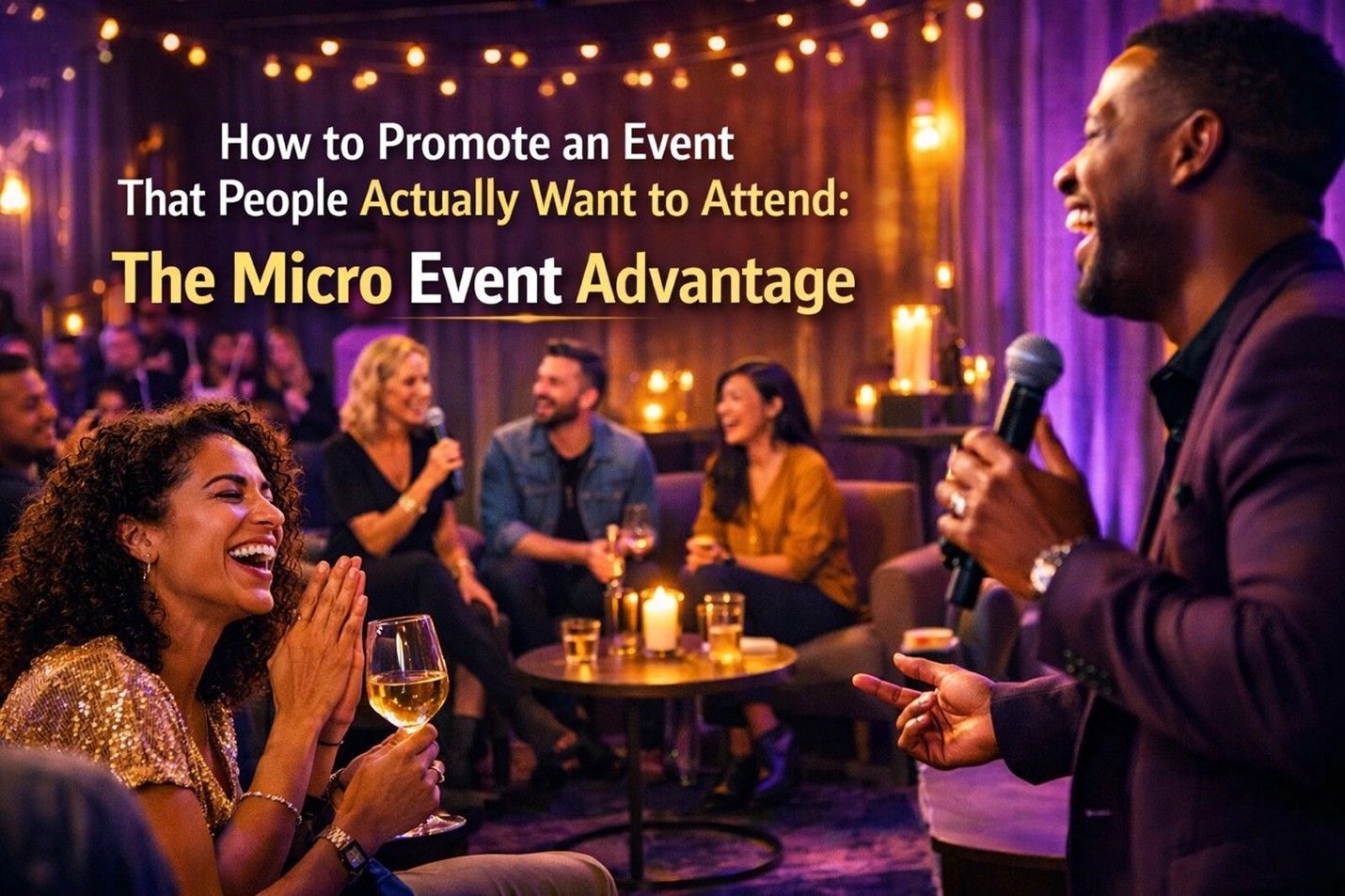
A micro event is exactly what it sounds like: a small, intimate gathering designed to foster genuine connection. We're talking 15-50 attendees max: sometimes even fewer. Think roundtable discussions, exclusive workshops, small donor dinners, community listening sessions, or VIP briefings.
These aren't "watered-down" versions of bigger events. They're strategically designed experiences where every person in the room matters, every conversation has weight, and every story gets heard.
Why Mission-Driven Organizations Should Care
If you're working in the nonprofit or social impact space, you already know that relationships are currency. You need champions, advocates, volunteers, and donors who genuinely believe in your mission: not people who showed up for free coffee and a tote bag.
Here's what micro events give you that big conferences can't:
Deeper Engagement: When you have 30 people instead of 300, you can facilitate real dialogue. Questions get answered. Stories get shared. People actually remember each other's names.
Higher ROI: Micro events cost less to produce: smaller venue, less catering, fewer logistics. But the return? It's exponential. One deeply engaged advocate is worth more than 100 disinterested conference attendees.
Authentic Storytelling: In an intimate setting, your mission comes alive. There's space for vulnerability, for real stories, for the kind of emotional connection that inspires action.
Targeted Impact: You can curate exactly who's in the room. Want to bring together your top 20 volunteers? Done. Need to connect major donors with program beneficiaries? Perfect setting.
Actionable Outcomes: Small groups make decisions faster. You can leave a micro event with commitments, partnerships, and next steps: not just a stack of business cards.
The Problem With Traditional Event Promotion Ideas
Most event promotion ideas are built for scale: blast emails, social media ads, early-bird discounts, celebrity speakers. These tactics work when you need hundreds of attendees to make the economics work.
But when you're planning a micro event? That playbook doesn't apply.
You don't need to promote an event to the masses: you need to invite the right people to show up fully present. That's a completely different challenge, and it requires a completely different event marketing strategy.
How to Promote a Micro Event People Actually Want to Attend
Here's your new playbook for micro event promotion:
1. Start With the Guest List, Not the Venue
Who absolutely needs to be in this room? Don't think in terms of filling seats: think in terms of creating the right chemistry. Your event promotion ideas should begin with identifying 20-30 people whose presence would make this gathering meaningful.
Make your invitations personal. No mass emails. Write individual notes explaining why you want them specifically at this event.
2. Create Exclusivity (Without Being Exclusive)
Limited capacity isn't a bug: it's a feature. Frame your micro event as a unique opportunity that can only happen with a small, committed group. This isn't about elitism; it's about setting the expectation for meaningful engagement.
Use phrases like:
- "We're bringing together 25 leaders to..."
- "This intimate conversation will include..."
- "Space is intentionally limited to ensure..."
3. Lead With Outcomes, Not Agenda
People don't care about your 3:00 PM breakout session. They care about what they'll walk away with. When you promote your event, focus on transformation:
- "Join us for a conversation that will help you rethink donor engagement"
- "Leave with three new strategies for amplifying volunteer voices"
- "Connect with leaders facing the same challenges you are"
4. Make Storytelling Central to Your Event Marketing Strategy
This is where micro events shine. In your promotional materials, share a story that illustrates why this gathering matters. Not statistics: story.
Tell them about the volunteer who had a breakthrough at your last roundtable. Share what happened when you brought program participants into the same room as board members. Give them a glimpse of the magic that happens when the right people connect around your mission.
5. Use FOMO Wisely
The fear of missing out is real, but use it authentically. Share behind-the-scenes glimpses of what makes these small gatherings special. Post photos from previous micro events (with permission) that show genuine engagement: people leaning in, laughing, taking notes.
Create a hashtag. Encourage attendees to share their experience. When others see the depth of connection happening in that room, they'll want in next time.
6. Follow Up Like It Matters (Because It Does)
After your micro event, the work continues. Send personalized follow-ups to attendees. Share photos, key takeaways, and action items. Make people who attended feel like they were part of something that mattered.
Then? Invite them to bring someone next time. Your best event promotion strategy is word-of-mouth from people who experienced the difference firsthand.
The Role of Storytelling in Intimate Settings
Let's zoom in on this for a moment, because it's critical.
At a 500-person conference, storytelling happens on stage: one speaker, hundreds of listeners. It's broadcast mode. At a micro event, storytelling happens in circle. It's dialogue.
In intimate settings, you can:
- Invite program beneficiaries to share their experiences directly with donors
- Create space for attendees to share their own "why" for supporting your mission
- Facilitate vulnerable conversations about challenges and failures, not just wins
- Build narrative threads across the room that connect individual stories to collective impact
This kind of storytelling doesn't just inform: it transforms. It builds the kind of buy-in and commitment that no keynote speech ever could.
Want to learn more about how storytelling can amplify your mission? Check out our storytelling resources for mission-driven organizations.
When Should You Choose Micro Over Massive?
Here's the practical question: when does a micro event make sense, and when should you still go big?
Choose micro events when:
- You're launching a new program and need deep input from key stakeholders
- You want to steward major donors or cultivate planned giving prospects
- You need to facilitate difficult conversations or strategic planning
- You're building a community of practice among volunteers or partner organizations
- You want to create an exclusive experience for board members or champions
- You're testing new event formats or content before scaling
Stick with larger events when:
- You need broad awareness and reach
- Revenue from ticket sales or sponsorships is a primary goal
- You're celebrating milestones that the whole community should participate in
- You have content that benefits from a large audience (like inspiring keynotes)
The smartest event marketing strategy? It's not either/or: it's both. Create a portfolio of events that includes both intimate micro experiences and larger community gatherings. Use micro events to build deep relationships, and larger events to celebrate and grow your community.
Your Next Steps
Ready to try the micro event advantage for yourself? Here's how to start:
1. Identify one goal that would benefit from deep engagement with a small group (donor cultivation, volunteer retention, program development, etc.)
2. List 20-30 people who could help you achieve that goal: or who would benefit from connecting with each other around that goal
3. Design a simple format that prioritizes conversation over presentation (roundtable discussion, workshop, intimate dinner)
4. Send personal invitations that explain why you want each person there
5. Create space for storytelling in your agenda: and actually stick to it
6. Follow up in ways that honor the relationships you built
If you need help designing an event marketing strategy that balances micro and macro experiences: or if you want support thinking through how to promote an event that truly drives engagement: let's talk. At KatBro Consulting, we specialize in helping mission-driven organizations create events that build movements, not just attendance numbers.
Because at the end of the day? Your mission deserves more than another forgettable conference. It deserves the kind of connection that only happens when the right people gather in the right way.
And sometimes, that means thinking smaller to go bigger.